Imported species record
Source review pending · not a care recommendation
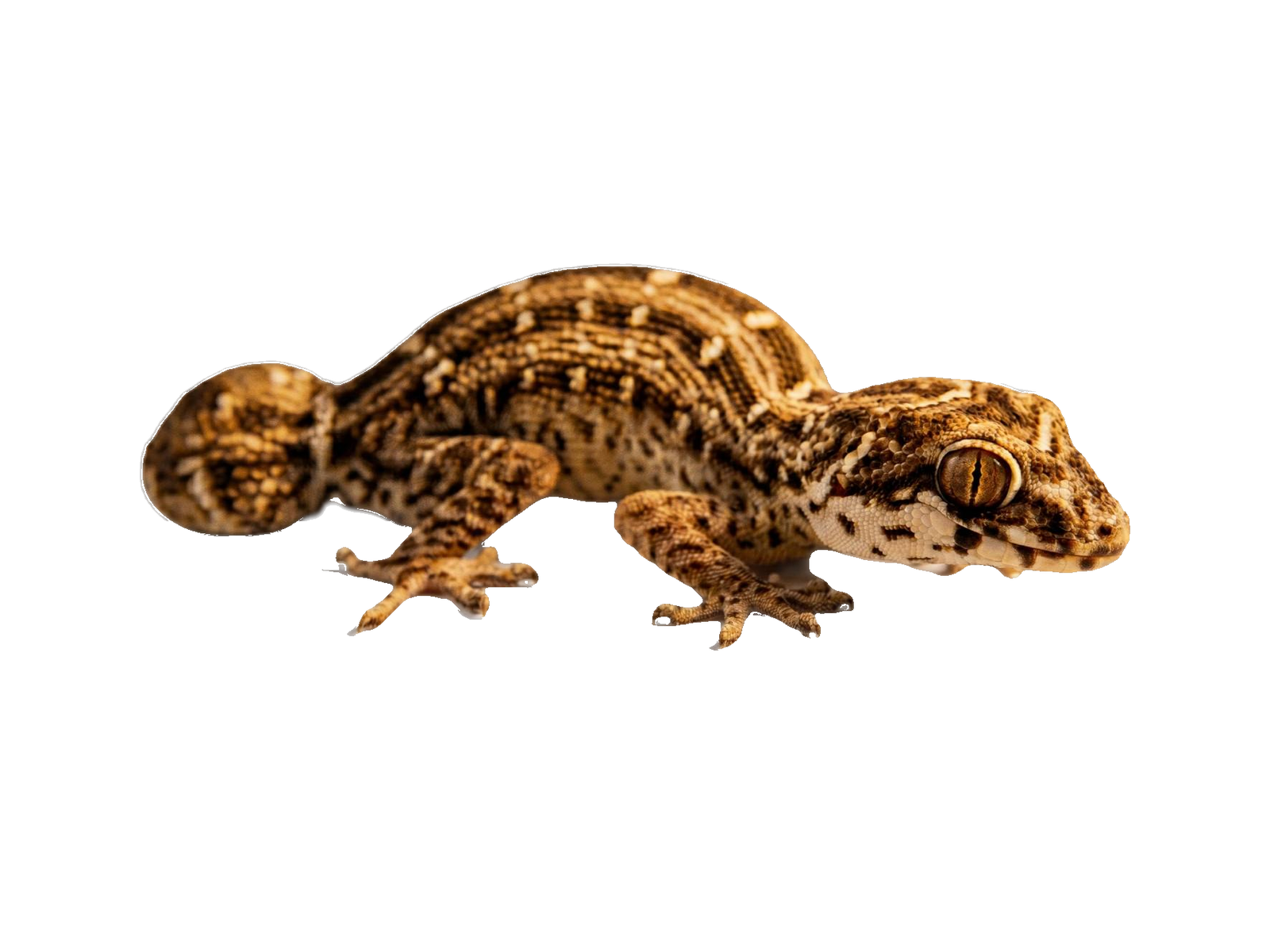
Viper Gecko
Teratolepis fasciata · Gekkonidae
This page preserves an imported legacy dataset record for discovery. Values below are unverified and must not be treated as a ReptBase source-audited husbandry recommendation.
01 / Imported record summary
Legacy dataset reference only
The imported legacy record states: Small desert geckos with attractive banded patterns and a tail that resembles a viper's head.
Imported native region: Pakistan (unverified)
02 / Recorded values
Recorded legacy values
Recorded legacy values below are imported and unverified. They are not ReptBase recommendations.
- Imported care-level label
- beginner unverified
- Imported adult size
- Up to 8 cm unverified
- Imported lifespan
- About 10 years unverified
- Imported diet type
- insectivore unverified
- Imported habitat pattern
- desert unverified
- Family
- Gekkonidae
- Imported enclosure dimensions
- 30 x 30 x 30 cmImported · unverified · length x width x height
- Imported ambient band
- 75-85°FImported · unverified
- Imported basking surface
- 90-95°FImported · unverified
- Imported humidity band
- 30-40% RHImported · unverified
The imported legacy record states (enclosure): Tiny desert geckos. A 10-gallon tank is enough for 1-2 individuals. Use sand/clay substrate.
The imported legacy record states (diet): Require very small insects due to their size.
The imported legacy record states (behavior): Named for the scale pattern on their tail that looks like a viper. Very cute and hardy.
The imported legacy record states (social): Can be kept in small groups (one male per tank). Very social for geckos.
Foods listed in the old dataset imported · unverified
- Small crickets
- Flightless fruit flies
- Small Dubia roaches
Signs listed in the imported record
- Active at night
- Social interaction
- Strong appetite
- Clear eyes
Imported · unverified
Concern signs listed in the imported record
- Lethargy
- Sunken eyes
- Weight loss
- Pale color
Imported · unverified · not a diagnosis
03 / What has not been verified
This value has not yet completed a ReptBase source audit
- Enclosure minimums and product recommendations
- Heating, UVB, humidity and substrate protocols
- Feeding ratios, schedules and supplementation claims
- Social-housing claims
- Health lists as diagnostic guidance
- Setup-cost figures as live market prices
Do not treat this as a complete care recommendation.
04 / Questions to verify before using the record
Check before acting on any imported value
- Which primary sources support this enclosure size for the adult animal?
- Have heat, UVB and humidity been measured in a comparable enclosure?
- Does a reptile-experienced veterinarian agree the listed signs are actionable?
- Are diet notes current for the life stage you are planning for?
- Is a source-audited ReptBase guide available for a better-supported alternative?
05 / General measurement and veterinary safety note
Measure conditions. Seek veterinary care when needed.
Outdoor climate and imported bands do not set enclosure targets. Enclosure dimensions, materials, ventilation, heat-source distance, thermostat control and measured warm/cool sides change every decision.
This is not a diagnosis. Sudden weakness, breathing difficulty, seizures, major injury or collapse warrants urgent contact with a reptile-experienced veterinarian.
06 / Editorial status
Imported species record
Care by location
Viper Gecko care profiles by city
Seasonal setup-pressure estimates for each recorded city. Each profile links the species range to outdoor normals and is a planning aid, not a recommendation.
- Honolulu good
- Miami fair
- Denver fair
- Sydney fair
- Albuquerque fair
- Perth fair
- New Orleans fair
- New York City fair
- Tampa fair
- Tucson fair
- Las Vegas poor
- Brisbane poor
- Cleveland poor
- Phoenix poor
- Chicago poor
- Toronto poor
- Virginia Beach poor
- Orlando poor
- Reno poor
- Salt Lake City poor
- Anchorage poor
- Los Angeles poor
- San Diego poor
- Vancouver poor
- Boston poor
- Calgary poor
- London poor
- Buffalo poor
- Baltimore poor
- Boise poor
- Edmonton poor
- Detroit poor
- Houston poor
- Jacksonville poor
- Montreal poor
- Sacramento poor
- Seattle poor
- Columbus poor
- Dallas poor
- Milwaukee poor
- Austin poor
- Louisville poor
- Memphis poor
- Minneapolis poor
- Nashville poor
- Philadelphia poor
- Pittsburgh poor
- San Francisco poor
- Washington poor
- Melbourne poor
- San Antonio poor
- Birmingham poor
- Indianapolis poor
- Little Rock poor
- Oklahoma City poor
- Richmond poor
- Atlanta poor
- Cincinnati poor
- Des Moines poor
- Omaha poor
- Portland poor
- Raleigh poor
- Kansas City poor
- St. Louis poor
- Charlotte poor
- San Jose poor