Bearded Dragon care guide
Enclosure, measured heat, UVB, feeding and honest editorial limits for Pogona vitticeps.
Open the guideCare that begins with the animal
Find the right species record, build a measurable habitat, and understand how the room around it changes through the year.
I already own a reptile
Open the care record for your animal, compare its needs with what you have, and make one measured change at a time.
Find my speciesConfirm adult space, environment bands, diet pattern and current editorial status.
Mark basking, warm, cool, shaded and humid areas before buying more equipment.
Measure conditions and observe appetite, weight, movement, shedding and stools.
Help me choose
Eight focused questions turn your available space, time, feeding comfort, handling preference and location into consistent matches. Beginner safeguards keep advanced species out of normal first-reptile results.
Find a realistic matchPopular species
Flagship sourced guides now cover Bearded Dragon and Leopard Gecko. Other cards remain imported field records with transparent status.
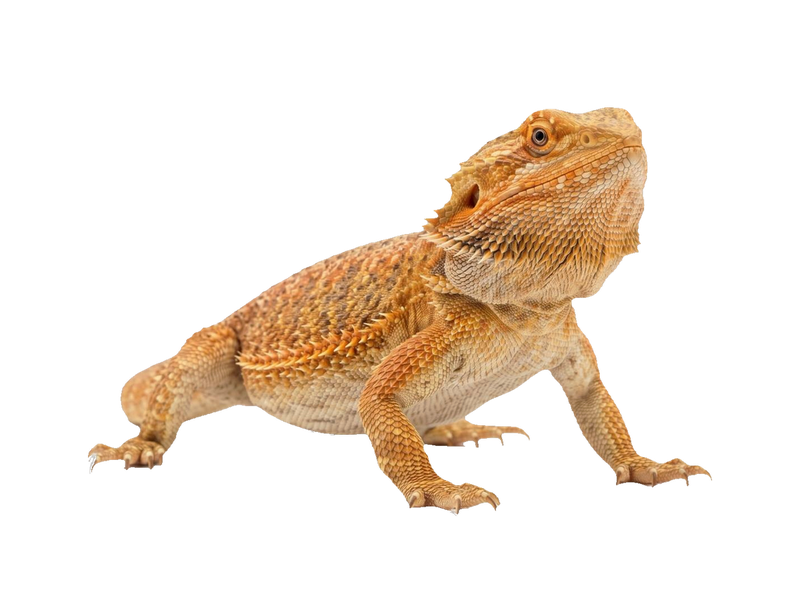
Pogona vitticeps
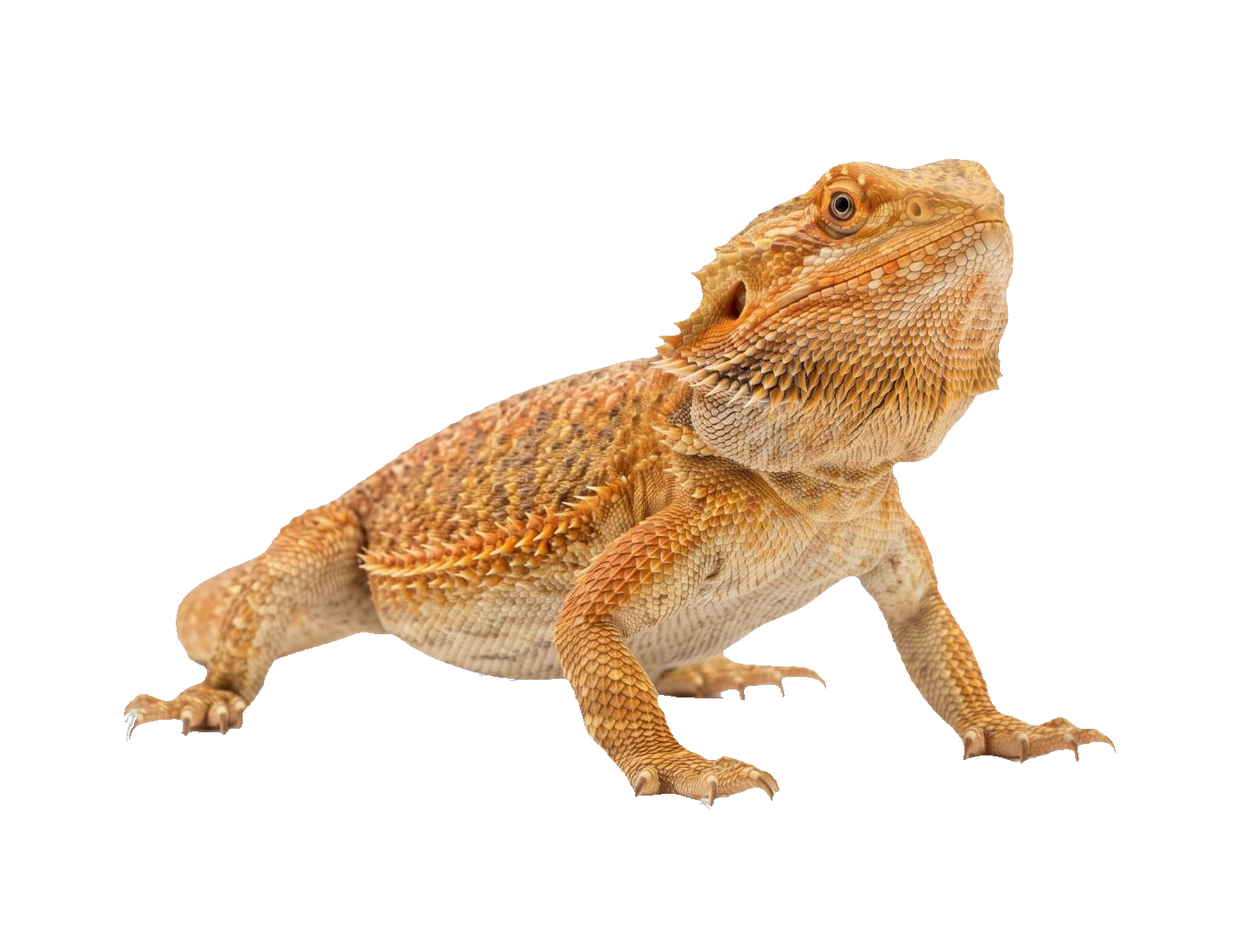
One of the most popular pet lizards, known for their docile nature and 'beard' of spikes under their chin.
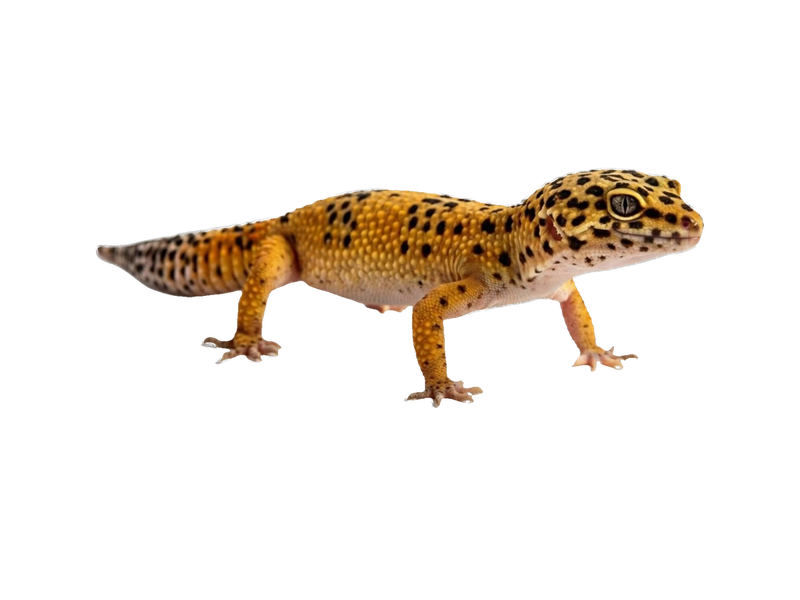
Eublepharis macularius
Small, nocturnal lizards famous for their beautiful spotted patterns and ability to store fat in their tails.
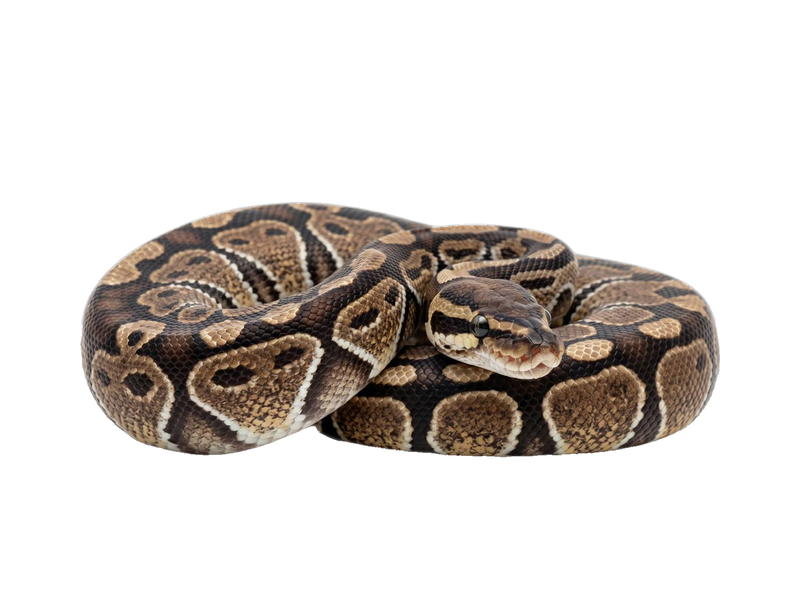
Python regius
Detailed source review pending. This card is an imported dataset record, not an approved care recommendation.
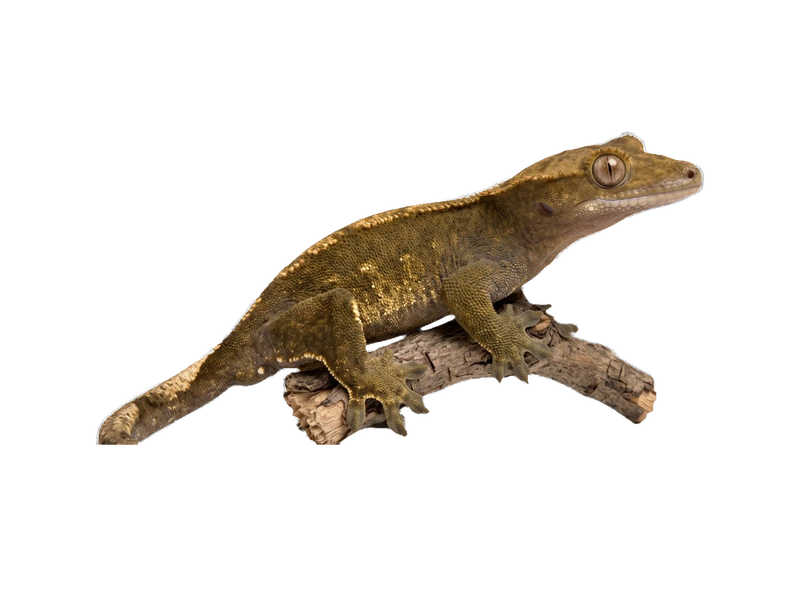
Correlophus ciliatus
Detailed source review pending. This card is an imported dataset record, not an approved care recommendation.
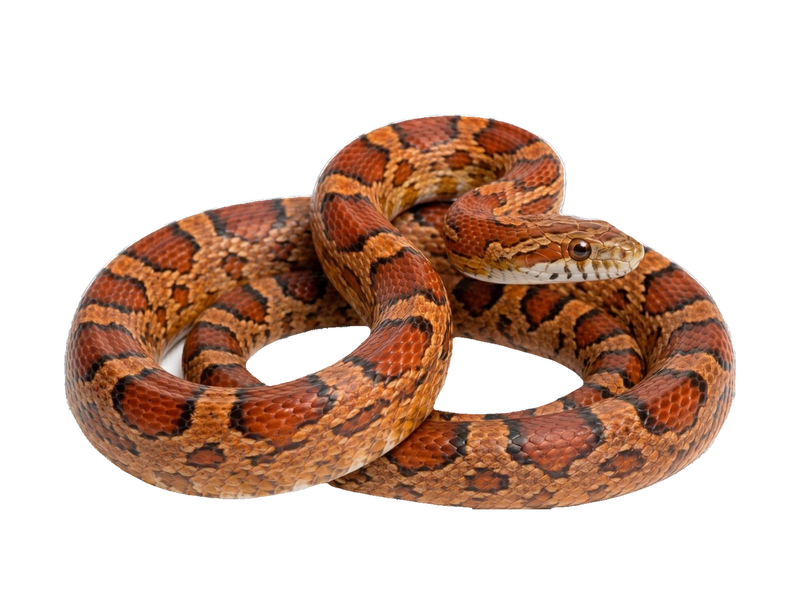
Pantherophis guttatus
Detailed source review pending. This card is an imported dataset record, not an approved care recommendation.
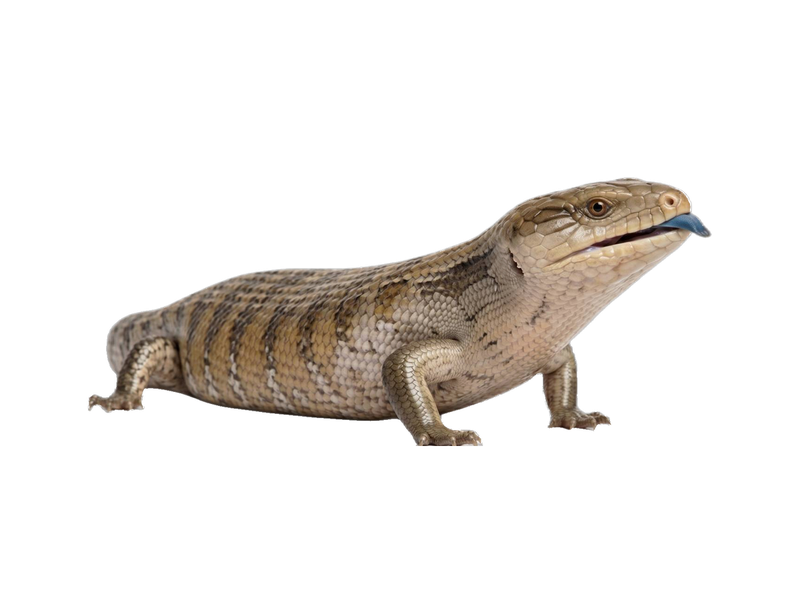
Tiliqua scincooides
Detailed source review pending. This card is an imported dataset record, not an approved care recommendation.
Explore care topics
Good husbandry is not a list of isolated products. Each decision changes the conditions around it.
Build a measurable gradient with bright basking, effective UVB where required, and real shade.
Balance usable space, cover, climbing, ventilation, maintenance and species-specific movement.
Match food form, variety, portion and supplementation to the animal and its verified UVB system.
Notice changes early and know when the next step is a reptile-experienced veterinarian.
Care by location, explained
The normalized NOAA record describes long-term conditions at Albuquerque International Airport. It cannot tell us the temperature of a particular room, so ReptBase turns the outdoor pattern into questions to measure at home.
NOAA Climate Normals · 1991-2020 · Station USW00023050
See the Bearded Dragon exampleOutdoor station normals describe long-term conditions at the airport, not temperatures or humidity inside a home or enclosure. Humidity is a supplemental contextual estimate and should not replace an enclosure hygrometer.
Interactive tools
Eight questions, editable answers, repeatable results and beginner safety constraints.
Start the finder 02Explore seasonal outdoor pressure without confusing climate normals with enclosure readings.
Choose a city 03See whether a page is a literature summary, editorial comparison, guide or planned work.
Open the deskSetup + equipment
Start with target conditions and the dimensions of the enclosure. Category-specific records keep food, enclosures, lamps, controls and monitoring devices from inheriting irrelevant fields.
Browse equipment categoriesCompleted resources
Enclosure, measured heat, UVB, feeding and honest editorial limits for Pogona vitticeps.
Open the guideTerrestrial housing, moist-hide shedding support, low-level UVB evidence and insectivore feeding for Eublepharis macularius.
Open the guideSeasonal setup-pressure estimate with NOAA climate normals, checklist and transparent methodology.
Open the profileLiterature summaries and unfinished comparisons remain under Comparisons & Methods (10 entries listed there).
Latest articles
Getting started
Starting your journey as a reptile keeper is exciting, but choosing the right first species is critical. From bearded dragons to leopard geckos, we break down the best beginner reptiles and what to consider before bringing one home.
Heating & lighting
Proper heating and lighting are the cornerstones of reptile health. Learn about basking spots, UVB requirements, heat sources, photoperiods, and how to create the perfect thermal gradient for your scaly companion.
Habitat design
Setting up a bioactive or naturalistic enclosure is an art and a science. From substrate selection to hardscaping, plants, and water features, this guide walks you through creating a thriving habitat for your reptile.
Your next useful step
Choose a species record if you already know the animal. Use the guided finder if you are still deciding. ReptBase organizes records and climate context; it cannot know your room conditions or diagnose health changes.